
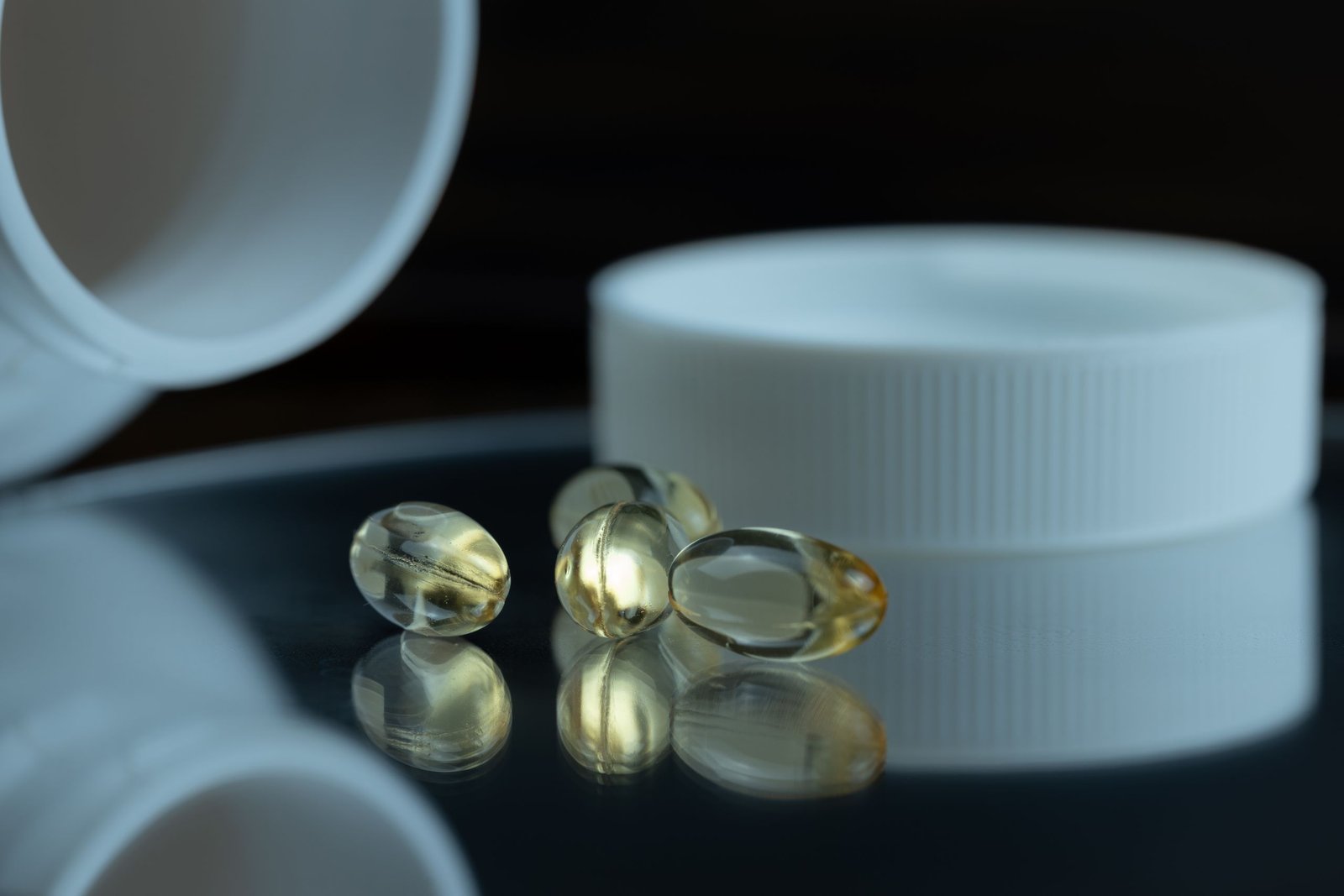
Quick answer: magnesium glycinate for sleep has one good trial behind it. In 2025, 155 adults with poor sleep took 250 mg of magnesium a day as bisglycinate, or a placebo. After four weeks, insomnia scores fell a little more with magnesium. The effect was small, and people who ate little magnesium seemed to benefit most. It is a reasonable, low-risk thing to try. It is not a proven sleep treatment.
What this guide covers
- What magnesium glycinate is
- What the research shows
- Does the glycine matter?
- Glycinate vs other forms
- Dose and how to read the label
- Safety and interactions
- Who is most likely to benefit
- Common questions
- The takeaway
What magnesium glycinate is
Magnesium glycinate is magnesium bound to glycine, a small amino acid. You will also see it sold as magnesium bisglycinate. That is the same thing: “bis” just means each magnesium is bound to two glycine molecules.
It has become the most searched form of magnesium, mostly because it is marketed for sleep and as gentle on the stomach. The sleep claim now has some direct evidence, covered below. For the general case for magnesium and sleep, see our magnesium for sleep guide.
What the research shows on magnesium glycinate for sleep
The most direct study is a 2025 randomized, placebo-controlled trial from Germany. It enrolled 155 adults aged 18 to 65 who said they slept poorly. Half took 250 mg of elemental magnesium a day as bisglycinate. The other half took a placebo.
- Main result: after four weeks, scores on the Insomnia Severity Index fell by 3.9 points with magnesium and 2.3 points with placebo. The difference was only just statistically significant.
- Size of the effect: the authors called it small and described the benefit as modest.
- Who did best: an exploratory analysis suggested bigger improvements in people who ate less magnesium. That needs confirming in a study designed to test it.
- Limits: sleep was measured by questionnaire, not by sleep tracking, and the study was short. One author reported working with nutraceutical companies.
Earlier research on magnesium in general points the same way. A 2021 review of three small trials in older adults found magnesium helped people fall asleep about 17 minutes faster, but rated the evidence low to very low in quality.
Honest summary: a real but small benefit in one decent trial. Better evidence than most sleep supplements have, but not strong enough to call it a treatment.
Does the glycine matter?
Glycine has been studied for sleep on its own. Small Japanese studies gave people 3 g of glycine before bed and reported better subjective sleep and less next-day tiredness. Researchers think it may work partly by lowering core body temperature, which happens naturally as you fall asleep. These studies were small and were run by researchers at a glycine manufacturer, so treat them as early evidence.
How much glycine is in a glycinate supplement? Working from the chemical formula, 250 mg of elemental magnesium as bisglycinate carries roughly 1.5 g of glycine. That is about half the dose used in the glycine studies. So the glycine may add a little, but it is not the same as taking glycine itself.
Glycinate vs other forms
The NIH Office of Dietary Supplements lists magnesium aspartate, citrate, lactate and chloride as forms the body absorbs more easily. Glycinate is not on that list, which is not the same as saying it absorbs poorly. Trials that compare forms head to head for sleep are lacking.
- Glycinate: the form used in the 2025 sleep trial, and often chosen because it tends to be easier on the gut.
- Citrate: well absorbed, but has a laxative effect at higher doses.
- Oxide: cheap and common, but more likely to cause loose stools.
Dose and how to read the label
Look for elemental magnesium on the label, not the weight of the whole compound. Glycine is heavy, so a capsule labelled “1,000 mg magnesium glycinate” holds far less magnesium than that.
The sleep trial used 250 mg of elemental magnesium a day. The upper limit for magnesium from supplements is 350 mg a day for adults, so stay at or below that unless a clinician advises otherwise. The trial measured results at four weeks, so give it about that long before you judge it.
Safety and interactions
Too much supplemental magnesium can cause diarrhea, nausea and cramps. Very high intakes can cause an irregular heartbeat. Speak to a doctor or pharmacist first if you have kidney disease, or if you take antibiotics, bisphosphonates for osteoporosis, diuretics, or acid-reflux medicines, because magnesium can affect how these work or are absorbed.
Who is most likely to benefit
Based on the evidence so far, the people most likely to notice a difference eat few magnesium-rich foods such as nuts, seeds, beans, leafy greens and whole grains. Older adults and people with type 2 diabetes or gut conditions such as Crohn’s disease are more likely to run low. If your sleep is broken by stress or a racing mind, behavioural treatment has stronger evidence. Our insomnia guide and how to fall asleep faster cover those options.
Common questions
Is magnesium glycinate the same as magnesium bisglycinate?
Yes. Both names describe magnesium bound to glycine. Brands use them interchangeably.
When should I take magnesium glycinate for sleep?
Most people take it in the evening. The trial looked at daily use over weeks, so consistency matters more than the exact hour.
Can I take it with melatonin?
There is little research on the pair. They work in different ways: melatonin shifts the timing of your body clock, while magnesium may support relaxation. See our magnesium vs melatonin comparison and melatonin guide, and try one at a time so you know which, if either, helps.
The takeaway
Magnesium glycinate for sleep is a sensible, low-cost experiment, especially if your diet is low in magnesium. The best trial so far shows a small benefit after four weeks at 250 mg of elemental magnesium. Read the label for elemental magnesium, stay within 350 mg a day, and don’t expect it to fix a long-running sleep problem on its own. Explore more in our Sleep Health hub or browse all articles.
This article is for educational and informational purposes only and is not medical advice. Consult a qualified healthcare professional before starting any supplement, particularly if you are pregnant or breastfeeding, have kidney disease, take prescription medication, or are considering a supplement for a child. Read about how we review content.
References
- Schuster J, Cycelskij I, Lopresti A, Hahn A. Magnesium Bisglycinate Supplementation in Healthy Adults Reporting Poor Sleep: A Randomized, Placebo-Controlled Trial. Nat Sci Sleep. 2025. PubMed 40918053
- Mah J, Pitre T. Oral magnesium supplementation for insomnia in older adults: a systematic review & meta-analysis. BMC Complement Med Ther. 2021. PubMed 33865376
- Bannai M, Kawai N. New therapeutic strategy for amino acid medicine: glycine improves the quality of sleep. J Pharmacol Sci. 2012. PubMed 22293292
- Bannai M, et al. The effects of glycine on subjective daytime performance in partially sleep-restricted healthy volunteers. Front Neurol. 2012. PubMed 22529837
- NIH Office of Dietary Supplements. Magnesium: Fact Sheet for Consumers. ods.od.nih.gov