

Tag: Microbiome

  • Gut Health 101: A Beginner’s Guide to Your Microbiome

    Gut Health 101: A Beginner’s Guide to Your Microbiome

    Updated: August 3, 2026 · 7 min read · Evidence-based

    Quick answer: your gut microbiome is the community of microbes living in your digestive tract. What it demonstrably does — ferment dietary fibre into compounds that feed your colon lining and influence metabolism — is well established. What it is claimed to do for skin, mood and energy is far less settled. There is no defined “healthy” microbiome and no useful test for one. Eating a wide range of plants is the best-supported thing you can do, and it costs nothing.

    What this guide covers

    • What the microbiome actually is
    • What it demonstrably does
    • What remains genuinely uncertain
    • Whether a “healthy” microbiome can be defined
    • What actually supports gut health
    • When to see a doctor

    What your microbiome actually is

    Your gut microbiome is the community of bacteria, fungi and viruses living in your digestive tract — trillions of organisms, most of them concentrated in the large intestine [1].

    Two things are worth getting straight immediately. It is a resident community, not something you take. And it is not the same as a probiotic supplement, which is a temporary visitor — most strains do not permanently settle, and levels return to baseline within weeks of stopping.

    What it demonstrably does Strong

    This part is not controversial, and it is the reason gut health is worth caring about at all.

    Dietary fibre is a carbohydrate humans cannot digest. It arrives in the colon largely intact, where gut bacteria ferment it into short-chain fatty acids — principally acetate, propionate and butyrate [1].

    Those compounds do real work. Butyrate is the preferred energy source for the cells lining your colon, meaning your gut wall is partly fed by your bacteria doing their job. Short-chain fatty acids also act as signalling molecules and are involved in lipid and glucose metabolism, inflammation and immune regulation [1].

    This is the mechanism underneath “eat more fibre.” You are not only feeding yourself — you are feeding the organisms that produce compounds your intestinal lining depends on.

    What is still genuinely uncertain Limited

    Most gut-health content skips this section. It is the most useful one.

    The microbiome has been linked in research to mood, skin conditions, immunity, weight and fatigue. Those links are real research directions with plausible mechanisms — but “linked in studies” is doing heavy lifting. Most such findings are associations rather than demonstrated cause, and interventions that reliably improve those outcomes by changing gut bacteria have largely not been established in healthy people.

    In irritable bowel syndrome, for instance, altered microbial composition is consistently observed and often tracks with symptom severity — yet whether it causes symptoms, results from them, or both remains unresolved [2].

    We cover each commonly-cited symptom with an individual evidence grade in 7 Signs of an Unhealthy Gut. The short version: bloating and altered bowel habits have reasonable support. Fatigue, skin flare-ups and brain fog have considerably less than wellness marketing implies.

    Is there such a thing as a “healthy” microbiome?

    Not in any way you can currently measure. There is no agreed reference composition, and healthy people differ enormously from one another. Two people in excellent health can have strikingly different gut communities.

    This is why direct-to-consumer microbiome tests are hard to act on. They can tell you which organisms are present. They cannot tell you what that means for you, because there is no validated healthy range to compare against.

    Greater diversity is generally associated with better health outcomes, and it is the closest thing to a useful marker — but it is a population-level pattern, not a target you can verify you have hit.

    What actually supports gut health

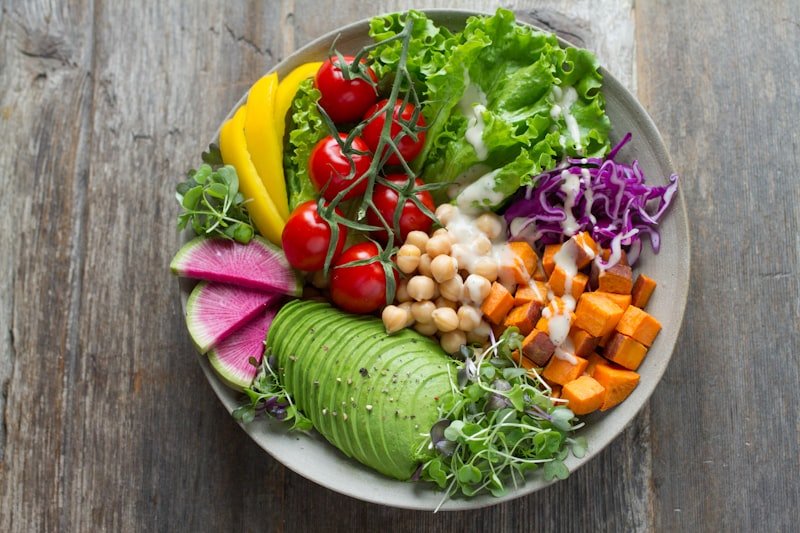
    Plant variety, first and by some distance. Strong Different fibres feed different organisms, so range matters more than volume of any single food. Vegetables, legumes, whole grains, nuts, seeds and fruit all count. This follows directly from the fermentation mechanism above.

    Increase fibre gradually. Strong A sudden increase reliably produces gas and bloating — the exact symptoms people are usually trying to fix. Build up over a few weeks.

    Fermented foods. Moderate Yoghurt with live cultures, kefir, sauerkraut, kimchi and miso contain live organisms. They carry no named strains or guaranteed doses, so they cannot be matched to specific research — but they are inexpensive, nutritious and low-risk.

    Sleep and stress. Moderate The gut-brain axis runs in both directions, and the evidence that stress affects digestion is stronger than the evidence running the other way.

    Probiotics, selectively. Limited for general use Effects are strain-specific rather than species-specific, so “Lactobacillus blend” on a label tells you almost nothing. Evidence is best for specific situations — antibiotic-associated diarrhoea, certain IBS symptoms with named strains — and weakest for general wellbeing in people without a diagnosed condition.

    What supplements can and cannot do

    No supplement fixes gut health on its own, and any product claiming to cure a digestive condition is making a claim it cannot support.

    It is also worth knowing the regulatory position: in the United States, the FDA does not approve dietary supplements before they are sold. Manufacturers are responsible for their own safety and labelling accuracy, which is precisely why independent third-party testing is worth looking for.

    The honest sequence is diet first, then a targeted supplement if you have a specific symptom worth targeting — not a supplement instead of the diet.

    When to see a doctor

    Some symptoms point to a condition needing diagnosis rather than a dietary change. The NIDDK lists several as indicating something other than IBS [3]:

    • Blood in your stool, or black, tarry stools
    • Unintentional weight loss
    • Anaemia
    • Difficulty swallowing, or persistent vomiting
    • Severe or worsening abdominal pain, or pain that wakes you at night
    • A change in bowel habit lasting more than a few weeks, particularly over the age of 50

    Do not manage any of these with fibre, fermented foods or probiotics while waiting to see whether they settle.

    Common questions

    How long does it take to change your microbiome?

    Composition responds to dietary change within days, but those shifts are not necessarily lasting. Durable change tracks with sustained eating patterns rather than short interventions — which is why a two-week “gut reset” is not a meaningful concept.

    Should I take a probiotic if I have no symptoms?

    Evidence for benefit in people without a specific condition is limited. If you have no symptom to target, plant variety and fibre are a better use of the money.

    Are microbiome test kits worth it?

    Not currently, for most people. Without a validated healthy reference range, the results cannot reliably tell you what to do differently. Tests for specific conditions, ordered by a clinician, are a different and genuinely useful matter.

    Does antibiotic use permanently damage the microbiome?

    Antibiotics reduce diversity and most people recover substantially over subsequent months, though recovery is not always complete and varies between individuals. This is one situation where specific probiotic strains have better evidence than usual.

    The takeaway

    • The fibre-to-short-chain-fatty-acid mechanism is well established. Most of the broader “gut affects everything” claims are not.
    • There is no defined healthy microbiome and no test that usefully measures one.
    • Plant variety is the best-supported intervention, and the cheapest.
    • Probiotics are worth considering for specific situations with specific strains — not as a general daily habit.
    • The red-flag symptoms above need a doctor, not a dietary change.

    Where to go next

    References

    • [1] Gut Microbiota and Short Chain Fatty Acids. PMC8835596
    • [2] Gut Dysbiosis in Irritable Bowel Syndrome. PMC10609453
    • [3] National Institute of Diabetes and Digestive and Kidney Diseases — Symptoms & Causes of Irritable Bowel Syndrome. niddk.nih.gov
    • [4] NIH Office of Dietary Supplements — Probiotics Fact Sheet for Health Professionals. ods.od.nih.gov

    This article is for educational and informational purposes only and is not medical advice. Digestive symptoms can indicate conditions requiring proper diagnosis — consult a qualified healthcare professional before starting any supplement, and never delay seeking care for the red-flag symptoms listed above. See our Medical Disclaimer and Research & Methodology.
  • 7 Signs of an Unhealthy Gut You Shouldn’t Ignore

    7 Signs of an Unhealthy Gut You Shouldn’t Ignore

    Updated: August 3, 2026 · 8 min read · Evidence-based

    Quick answer: “unhealthy gut” is not a medical diagnosis, and most signs attributed to it have weaker evidence than wellness content suggests. Persistent bloating and changed bowel habits have the most support. Fatigue, skin flare-ups and brain fog are plausible but thinly evidenced. What genuinely matters is recognising the red-flag symptoms that point to a condition needing diagnosis — bleeding, black stools, unintentional weight loss — rather than treating them as a microbiome problem.

    What this guide covers

    • Why “unhealthy gut” isn’t a diagnosis
    • The seven signs, each with an honest evidence grade
    • Red flags that need a doctor, not a supplement
    • What actually helps
    • Common questions

    Start here: “unhealthy gut” isn’t a diagnosis

    No doctor will diagnose you with an unhealthy gut. It isn’t a clinical condition, there is no test for it, and there is no agreed definition of what a “healthy” microbiome looks like — composition varies enormously between perfectly healthy people.

    That matters, because the symptoms usually listed under this heading overlap almost entirely with conditions that are diagnosable: irritable bowel syndrome, coeliac disease, inflammatory bowel disease, thyroid problems, and others. Reading a symptom list and concluding you have a microbiome imbalance can delay finding out what is actually going on.

    So treat the signs below as prompts to pay attention — not as a diagnosis, and not as a reason to start buying supplements.

    1. Persistent bloating or gas Moderate

    Bloating after a large meal is normal. Bloating on most days, or bloating unrelated to what you ate, is the sign with the strongest link to gut microbial imbalance.

    Research consistently finds altered microbial diversity and composition in people with IBS, often tracking with symptom severity [1][2]. The important caveat is direction: it remains unclear whether dysbiosis causes the symptoms, results from them, or both. Fermentable carbohydrates known as FODMAPs are a well-documented trigger for bloating in people with IBS [2].

    2. Changes in bowel habits Moderate

    Going noticeably more or less often than usual, or alternating between the two, is a core feature of IBS — which is defined by abdominal pain alongside changes in stool frequency or consistency [1].

    A change lasting more than a few weeks deserves attention. A change accompanied by any of the red flags below deserves a doctor.

    3. New food intolerances Limited

    Foods that never troubled you starting to cause discomfort is commonly attributed to shifting gut bacteria. The mechanism is plausible — gut microbes ferment carbohydrates — but direct evidence that microbiome change causes new intolerances in adults is thin.

    Worth ruling out first: coeliac disease and lactose intolerance are both diagnosable. Coeliac disease specifically must be tested before removing gluten, because cutting it out first invalidates the test.

    4. Persistent fatigue Limited

    Fatigue is frequently listed as a gut symptom. It is also a symptom of anaemia, thyroid disease, sleep apnoea, depression and dozens of other conditions — most of which are more likely and more treatable.

    If fatigue is your main symptom, gut health is a poor place to start. Blood tests are a better one. There is a genuine connection in the other direction worth knowing: poor sleep and digestive symptoms tend to worsen each other, which our guide to falling asleep faster covers.

    5. Skin flare-ups Limited

    The “gut-skin axis” is a real research area and a genuinely interesting one. It is also considerably less settled than wellness marketing implies.

    Reviews of the gut-brain-skin relationship in acne describe plausible inflammatory pathways while stating plainly that the mechanisms remain unclear and that consistent human data supporting dietary or probiotic interventions is lacking [3]. Treat any product promising to clear your skin by fixing your gut as running ahead of the evidence.

    6. Brain fog and mood changes Limited

    The gut-brain axis is well established as a communication system. What is far less established is that everyday brain fog can be explained by, or fixed through, the microbiome.

    The proposed mechanism — systemic inflammation affecting brain function — is biologically coherent. Evidence that modifying gut bacteria reliably improves concentration in otherwise healthy people is not yet there.

    7. Getting sick often Limited

    A large share of the body’s immune tissue sits in and around the gut, which is why this sign appears on every list. But “immune tissue is located there” is not the same as “frequent colds indicate a microbiome problem.”

    Frequent infections have more likely explanations — sleep debt, stress, exposure through young children, and occasionally an immune condition worth investigating properly.

    Red flags — see a doctor, not a supplement

    These point away from IBS or a microbiome imbalance and toward something needing diagnosis. The NIDDK specifically lists several as signs of a condition other than IBS [4]:

    • Blood in your stool, or black, tarry, foul-smelling stools
    • Unintentional weight loss
    • Anaemia, or symptoms of it such as breathlessness and unusual pallor
    • Persistent vomiting, or vomit resembling coffee grounds
    • Difficulty swallowing
    • Severe or worsening abdominal pain, or pain that wakes you at night
    • Diarrhoea lasting more than a few days, or with fever or dehydration [5]
    • A change in bowel habit persisting beyond a few weeks, particularly over the age of 50
    • A family history of bowel cancer, coeliac disease or inflammatory bowel disease alongside new symptoms

    None of these should be managed with dietary changes or probiotics while you wait to see whether they settle.

    What actually helps

    If you have ruled out the red flags and want to support digestive health generally, the best-supported interventions are unglamorous and cheap.

    Eat more plant variety. Feeding the microbes you already have is better supported than adding new ones. Range of plants matters more than quantity of any single “superfood.”

    Increase fibre gradually. Increasing it abruptly reliably produces the bloating you were trying to fix.

    Consider fermented foods. Yoghurt with live cultures, kefir, sauerkraut and kimchi are low-risk and inexpensive, though they carry no named strains or guaranteed doses.

    Sleep and stress genuinely matter. The gut-brain axis runs both ways, and this is the direction with better evidence behind it.

    Be selective about probiotics. Effects are strain-specific, not species-specific, and a “Lactobacillus blend” on a label tells you almost nothing. Start with Gut Health 101 for the fundamentals.

    Common questions

    Is there a test for an unhealthy gut?

    Not a meaningful one. Direct-to-consumer microbiome tests can tell you which bacteria are present, but there is no established healthy reference range to compare against, so results cannot reliably guide treatment. Tests for specific conditions — coeliac disease, inflammatory bowel disease, infection — are a different matter and genuinely useful.

    How many of these signs mean something is wrong?

    There is no threshold, and any article giving you one is inventing it. Duration and pattern matter far more than count: one symptom persisting for two months warrants more attention than four that came and went in a week.

    Can I fix this with a probiotic?

    Sometimes, for specific symptoms, with specific strains. Evidence is strongest for antibiotic-associated diarrhoea and for certain IBS symptoms with named strains. It is much weaker for general wellbeing in people without a diagnosed condition.

    How long should I give dietary changes before judging them?

    Two to four weeks for fibre and plant variety. Change one thing at a time — adjusting diet, adding a supplement and cutting out a food group simultaneously leaves you unable to tell which mattered.

    The takeaway

    • “Unhealthy gut” is not a diagnosis, and no test defines one.
    • Bloating and altered bowel habits have the strongest link to microbial imbalance. Fatigue, skin and brain fog are plausible but weakly evidenced.
    • Duration and pattern matter more than how many boxes you tick.
    • The red flags above override everything else on this page — they need a doctor, not a dietary change.
    • Plant variety, gradual fibre, sleep and stress beat any supplement for general digestive health.

    References

    • [1] Gut Dysbiosis in Irritable Bowel Syndrome. PMC10609453
    • [2] Gut microbiota and irritable bowel syndrome. PMC11524842
    • [3] The Gut-brain-skin Axis and Acne Vulgaris: Current Understanding and Management Implications. Clinical Dermatology Review, 2025
    • [4] National Institute of Diabetes and Digestive and Kidney Diseases — Symptoms & Causes of Irritable Bowel Syndrome. niddk.nih.gov
    • [5] Cleveland Clinic — Diarrhea: When To See a Doctor. clevelandclinic.org

    This article is for educational and informational purposes only and is not medical advice. The symptoms described overlap with several conditions requiring proper diagnosis — consult a qualified healthcare professional rather than self-treating, and never delay seeking care for the red-flag symptoms listed above. See our Medical Disclaimer and Research & Methodology.